Flipped classroom environment is an instructional strategy and type of blended learning which aims to increase students engagement in learning by having students complete reading at their homes and work on live problem solving during class time. It moves activities, including those that may have traditionally been considered homework into the classroom. In flipped classroom students watch online lectures, collaborate in online discussion or carry out research at home while engaging in concepts in the classroom with the guidance of a mentor. flipped classroom environment shift the instruction to a learner centered model in which time in the classroom is used to explore topics in greater depth and create meaningful learning opportunities while students are actually introduced to new topics outside of the classroom, the contents delivery may take variety of forms such as videos, online collaborative discussion, digital research and text reading.
Characteristics of flipped classroomenvironment 1. It provides opportunity for students to gain first exposure prior to class 2. It provides incentive for students to prepare for class 3. It provides mechanism to assess student understanding
Advantages of flipped classroomenvironment 1. It allows students to learn at their own pace 2. It provides in class activities that focus on higher level of cognitive activities 3. It provides mechanism to assess student understanding
Disadvantages of flipped classroom environment
1. It causes digital divide 2. It can cause eye effects 3. It is expensive 4. It can cause anti socialism in students
Opera News Logo Download Opera News App HEADLINES LATEST POLITICS SPORTS ENTERTAINMENT BUSINESS EDUCATION HEALTH TECHNOLOGY FASHION&BEAUTY FOOD RELIGION PETS SEX&RELATIONSHIP SCIENCE Career Jobs Job Salary Financial Clearance Secured for monthly Payment of Teachers Professional Development Allowance
Ghana Education Service has been granted financial clearance to pay the 2021 Teacher Continuous Professional Development allowance, the professional development allowance was introduced in 2020 and the first payment was made in November 2020, the professional allowance is the only form of allowance on teachers payslip, responsibility allowance in Ghana Education Service is paid to a certain category of teachers who take up additional responsibilities in the school set up as Headmaster, Assistant Headmaster, Senior Housemaster or mistress, Housemaster/mistress, Form Master/Mistress, Heads of Department, Chaplain/Imam and a Counsellor. These teachers perform additional roles in the school after their classroom activities.
Continuous Professional Development allowance is the only form of allowance that is payable to all teachers in the Ghana Education Service. The allowance is thousand two hundred Ghana cedis per anum, which is one hundred Ghana cedis a month for professional teachers and eighty Ghana cedis a month for unprofessional teachers. There is a plan for the allowance to be paid to teachers monthly to cushion their salaries since the 4% salary increment is nothing on teacher’s salary, the 4% salary increment on average teacher’s salary is forty Ghana cedis, this amount cannot pay for the differences in the cost of transportation, certain factors are considered in determining the percentage of salary increment, that is the cost of living in the current year and the estimated inflation in the following year, paying workers 4% rise in salary without any formula is an insult to teachers and public sector workers in general.
Ghana Education Service has a plan to pay teachers professional development allowance monthly to cushion the teacher salary to survive the current cost of living in the country.
The professional development allowance is to support teachers capacity building, the allowance is meant for upgrading themselves professionally. There are professional courses to be undertaken by teachers to upgrade themselves professionally and academically, Generally, teacher professional development refers to ongoing learning opportunities available to teachers and other education personnel to enhance an individual’s skills, knowledge, expertise and other characteristics as a teacher.
The amount paid for teachers to upgrade themselves professionally and academically cannot even pay for one professional course for a teacher. GES is Making a U-turn to pay professional allowance to cushion teachers salaries to silence them on the 4% salary increment. The professional allowance will be paid to teachers on August salary with arrears from January 2021.
Teachers have joined the fix the country demonstration and prepared to join public sector workers to hit the street for demonstration which will be followed by sit down strikes until a fair deal is reached by the government on salary increment.
If the content contained herein violates any of your rights, including those of copyright, you are requested to immediately notify us using via the following email address operanews-external(at)opera.com
Ghana Education Service COMMENTS
Load app to read more comments YOU MAY LIKE
SEX-RELATIONSHIP
Man proposes to his girlfriend with a goat (Photos)
18 minutes
POLITICS
The Continuous Criticisms Must Stop; Sefa Kayi And Others Should Be Applauded And Not Criticized
44 minutes
SPORTS
Asante Kotoko Board And Management Need Jaw-Jaw To Meet Ultimatum
57 minutes
HEALTH
Nana Addo Fulfills A Major Promise as Sites Have Been Secured to Implement Agenda 111
13 hours
POLITICS
President Mahama’s salary was increased by 49% under Nana Addo, Hopeson Adorye
15 hours
POLITICS
Bawumia Must Act Smart Before The ‘Demons And Principalities’ Take Hold Of Him
16 hours
SPORTS
Accra Hearts Of Oak Supporters Assess Issues Between The Team And Benjamin Afutu Kotey
16 hours
POLITICS
Two MPs survive car crashes in Bono and Volta
18 hours
ECONOMY-FINANCE
I am worried about the future of Ghana. Things must change or else no future for us. (Opinion)
21 hours
POLITICS
Current state of the Minister of Employment after a serious accident in Bono region
GMB 2021 3news Home Featured Story Cut salaries of Article 71 office holders to meet demands of UTAG – Labour Expert to gov’t August 9, 2021 It will be damaging to Akufo-Addo if he doesn’t sign anti-gay bill – Expert Labour and industrial relations expert Mohammed Affum, has called on government to swiftly resolve the impasse between the University Teachers’ Association of Ghana(UTAG) and the National Labour Commission(NLC) by slashing the salaries of Article 71 office holders in order to send them back to the classroom.
He said the reason government cannot reach a decision that is sound enough to send the striking union back to the classroom is because its position is weakened due to the recent increase in the salaries of Article 71 office holders.
Mr Affum said this makes it very hard for the striking union to accept the non-malleable negotiating stance of government by refusing to meet their demands.
He said other unions like the Ghana Medical Association(GMA) and the Civil Servants Association(CSA) have prompted government for going on strike if their grievances are not attended to.
RelatedPosts Be impartial – NLC told Be impartial – NLC told AUGUST 10, 2021 NUGS disappointed in UTAG, gov’t AUGUST 10, 2021 Government is bullying us – UTAG AUGUST 9, 2021
Mr Affum warns the government that if care is not taken the country is going to face a very disruptive industrial relations climate and that could augur that the government machinery is going to collapse.
He proffered that the best option for government is to take certain actions that will create the right psychological climate for negotiations to take place, especially with the public sector workers in the country.
Mr Affum made this pronouncement in an interview with 3FM’s Eric Mawuena Egbeta on the Mid Day news, while reacting on the heels of the impasse between UTAG and the NLC regarding the lack of willingness by government to meet their demands, with the NLC threatening legal action against UTAG.
“I would want the President to show leadership by initiating moves to have the salaries of Article 71 office holders’ salaries reduced because having increased them by 79% and giving others 4% and 7%, I think negotiation is going to be difficult with the workers”, he pointed out.
He added “as I did indicate, government position is very weakened but I believe that if leadership is shown and the right climate created, I believe that the parties can reach an agreement and the strike will be called off for industrial peace to take place.
“If that does not happen, what one can see is an industrial relationship climate which is characterised by strike actions and a possible shutdown of government machinery because of civil servants who are also aggrieved because they did not get what they deserve”.
By Barima Kwabena Yeboah|3news.com|Ghana
Previous Post Ignore visa-free reports – Ghana’s Embassy in UAE Next Post Sputnik V: Agyemang-Manu writes to Sheikh to refund excess payment Related Posts Be impartial – NLC told MAJOR TOP STORY2 Be impartial – NLC told AUGUST 10, 2021
TOP EDUCATION NUGS disappointed in UTAG, gov’t AUGUST 10, 2021 Make Adutwum the substantive Education Minister – Send Gh to Akufo-Addo FEATURED STORY Government is bullying us – UTAG AUGUST 9, 2021
EDUCATION UTAG should be cited for contempt of court – NLC AUGUST 9, 2021
EDUCATION UTAG heads to court over NLC injunction AUGUST 9, 2021 Akufo-Addo has absolute desire to hand over power to another NPP gov’t – Bawumia FEATURED STORY Akufo-Addo has absolute desire to hand over power to another NPP gov’t – Bawumia AUGUST 9, 2021 Discussion about this post Stay Connected 1.7M Fans 1.1M Followers 245k Subscribers Music Music
Warning: mysqli_query(): (HY000/1114): The table ‘/rdsdbdata/tmp/#sql3a86_9c49_f’ is full in /home/forge/3news.com/public/wp-includes/wp-db.php on line 2056 TrendingCommentsLatest Recent News Be impartial – NLC told Be impartial – NLC told AUGUST 10, 2021 [Video] Fire service fails; Beverly Afaglos’s house completely gutted by fire [Video] Fire service fails; Beverly Afaglo’s house completely gutted by fire AUGUST 10, 2021
Sputnik V: Prosecute Ken Ofori Atta – Apaak AUGUST 10, 2021 Venture Capitalism – how and why to get in early Crypto-driven Universal Basic Income (UBI) as a tool to reach refugees during the pandemic AUGUST 10, 2021 3news 3news.com is the fastest growing news portal in Ghana. Get all breaking news updates, latest news headlines, local and world stories, showbiz, lifestyle etc.
Home/Health News Health NewsSpotlightTop Story Breaking News: Health Minister Agyemang-Manu Resigns Over Botched Sputnik V Deal SAMUEL ADJEI Follow on TwitterLast Updated: 10 August 2021 WhatsApp Telegram Kwaku-Agyemang-Manu-870×570-1 The Ministry of Health Kwaku Agyemang Manu
whatsapp sharing button Sharefacebook sharing button Sharetwitter sharing button Tweet Underfire Ghana’s Health Minister, Mr. Kwaku Agyeman-Manu has tendered in resignation to the Office of the President, your authoritative GhanaXtra.Com can confirm.
Mr. Agyeman Manu per credible information available to this portal tendered in his resignation late last night, Monday, August 9, 2021.
Forever Ad According to the source, even though the Minister had wanted to hang on to his position as he denies any wrongdoing, the intense public pressure in the media and pressure from the NPP finally forced him to jump the ship.
His resignation comes at the backdrop of a series of public backlash as far as the botched Sputnik V vaccine contract.
WhatsApp Image 2021-08-09 at 12.00.18 PM The Minister, a stalwart in the party with a very good relationship with the president had initially refused to leave in the lurch but he has to eventually bow to the pressure.
Latest News In Ghana. Click Here To Read Our Latest News Stories GhanaXtra.Com understands that the grave political consequences of the botched Sputnik V vaccine contract compelled the top echelon of the party to convince him to resign honourably to save the image of the government.
Related Articles
AUDIO: You can imprison all of us – UTAG to Gov’t and National Labour Commission 8 mins ago You did your best for us – Nkoranza Parmount Chief hails Akufo-Addo 15 mins agoLionel Messi Messi joining ‘beautiful’ PSG squad would excite Donnarumma 24 mins agoRoberto Firmino celebrates with his teammates Liverpool 3-1 Osasuna: Reds wrap up pre-season with win over LaLiga outfit 33 mins ago
It is however unclear whether President Nana Addo Danquah Akufo-Addo will accept the resignation or not.
Pressure has been mounting on the Health Minister, following revelations that he entered into a contract with a middleman with parliamentary approval.
Appearing before the Parliamentary Committee that probed the Sputnik V vaccine contract, Kwaku Agyemang-Manu admitted that he erred in sanctioning the deal.
Pressure group, OccupyGhana, the Minority Caucus in Parliament, OMANI’s Kofi Bentil, and Private legal practitioner, Martin Kpebu have been at the forefront calling for the head of the Minister.
Minority Leader, Haruna Iddrisu, maintains that his side will not back down on their push to get the Health Minister out of the job.
“We will not abandon this matter. If the President does not revoke the appointment of the Minister for Health, we will request him through a vote of censorship to consider that matter”.
Related Articles Liverpool defender Ibrahima Konate Konate lost for words after Anfield debut in Liverpool’s win over Osasuna 37 mins ago Lionel Messi Rumour Has It: United plot bid to pip PSG for Messi’s signature 44 mins ago
Dubai Sheik promises to refund $2,470,000 to Ghana over abrogated vaccine contract 58 mins ago Kwaku Agyemang-Manu, Minister of Health Let’s Forgive Kweku Agyemang Manu, He Acted In The Best Of Ghana- NPP MP Begs Ghanaians 1 hour ago Sylvanus Johnson Ghanaian Judge orders IGP to compensate alleged rapist over wrongful detention 1 hour ago Kwaku-Agyemang-Manu-870×570-1 Sputnik V saga: Health Minister asks middleman for refund 11 hours ago Comments Advertisement WhatsApp Image 2021-08-07 at 8.12.14 AM Advertisement
Top Stories 4 seconds ago I am very tempted to expose the powers that tried to get me off air on Metro TV but….– Bridget Otoo. 8 mins ago AUDIO: You can imprison all of us – UTAG to Gov’t and National Labour Commission 15 mins ago You did your best for us – Nkoranza Parmount Chief hails Akufo-Addo 24 mins ago Messi joining ‘beautiful’ PSG squad would excite Donnarumma 33 mins ago Liverpool 3-1 Osasuna: Reds wrap up pre-season with win over LaLiga outfit 37 mins ago Konate lost for words after Anfield debut in Liverpool’s win over Osasuna 44 mins ago Rumour Has It: United plot bid to pip PSG for Messi’s signature 58 mins ago Dubai Sheik promises to refund $2,470,000 to Ghana over abrogated vaccine contract 1 hour ago Ghanaian Judge orders IGP to compensate alleged rapist over wrongful detention 1 hour ago ‘Rich Kid’ Akufo-Addo came to steal from poor Ghanaians – Oboy Siki Load More
☰ logo 09.03.2021 | POLITICS GNAT, NAGRAT, CCT to get 280,000 laptops — Akufo-Addo
Government will give 280,000 laptops to teachers in the country, President Akufo-Addo has announced.
“I’m happy to announce that the government is facilitating the acquisition of 280,000 laptops for members of Ghana National Association of Teachers (GNAT), National Association of Graduate Teachers (NAGRAT) and the Coalition of Concerned Teachers (CCT) this year”, the President told parliament on Tuesday, 9 March 2021, when he delivered his first State of the Nation Address for his second term.
“I acknowledge that the teacher is at the centre of every reform in the field of education”, the President acknowledged.
He said: “Prioritising the welfare of teachers remains a key objective of the government”.
“After the restoration of teacher trainee allowances, the government is now paying professional allowances to both and non-teaching staff – something you [NDC] found very difficult to do in eight years”, he observed.
“Moving forward, the minister of education will soon detail an action plan for the implementation of the National Teacher Policy”, the President noted.
Read the President’s full speech below:
2021 State Of The Nation By President Nana Addo Dankwa Akufo-Addo
Message On The State Of The Nation By The President Of The Republic, Nana Addo Dankwa Akufo-Addo, On Tuesday, 9th March 2021, At Parliament House, Accra.
Mr. Speaker,
It is always good to be back in Parliament, and to discharge the duty, in accordance with Article 67 of the Constitution, of delivering to the House a Message on the State of the Nation. I am particularly delighted as this Message is the first of my 2nd term, the validity of which was unanimously upheld last week in a well-reasoned and excellent ruling by a seven-member panel of the Supreme Court, presided over by the Chief Justice, on 4th March 2021.
In accordance with protocol and convention, it is good to see that First Lady Rebecca Akufo-Addo, Vice President Mahamudu Bawumia, Second Lady Samira Bawumia, Spouse of Mr. Speaker, Chief Justice Anin Yeboah, and Justices of the Supreme Court, re-elected Chairperson Nana Otuo Siriboe II, and Members of the Council of State, the new Chief of Defence Staff Vice Admiral Seth Amoamah, the Inspector General of Police, Mr. James Oppong-Boanuh, and Service Chiefs, are all present, as are the Dean and Members of the Diplomatic Corps.
Let me use this opportunity to congratulate, once again, the Speaker of Parliament, Rt. Hon. Alban Kingsford Sumana Bagbin, on becoming Speaker of the 8th Parliament. His has been a distinguished career, having entered the 1st Parliament of the 4th Republic in 1993, and I came to meet him in the 2nd Parliament in 1997. He has been Majority Leader, Minister of State, one of the “three wisemen” in a previous Government, 2nd Deputy Speaker of Parliament, and now finds himself in this elevated position of being the third most important person in the governance structure of our country. It is wholly appropriate that, at such a critical period in the history of our country, my senior in Parliament and I should work together for the wellbeing of the Ghanaian people.
Mr. Speaker, I wish you well in the discharge of the duties of this high office.
Mr. Speaker, in 2017, I was here for the first time as President of the Republic, having won the election of 2016, and having inherited a faltering economy and an expectant people. Between that time and 2020, I sought to deliver on the mandate reposed on me and my party, the New Patriotic Party, and gain, once again, the confidence of the Ghanaian people. It was by no means a straight-forward task. We were able to deliver on most of our 2016 promises. In spite of the considerable challenges we confronted, and the setbacks we encountered, we were confident our record in office would put us in good stead before the electorate, and earn us a second term in office, which it did.
It means that the reason for which the Ghanaian people went to the polls on 7th December, i.e to seek an improvement in their living standards and the rapid transformation of the economy, must continue in earnest. It means that the clarion call of “Four More for Nana and the NPP to do more for you” must be realised, and I intend to do so.
The commencement of this process has been facilitated by members of this House, and I am thankful to you for enabling Government to be duly constituted. The expeditious and thorough manner in which my Ministers were scrutinised by the Appointments Committee, and the approval by the full House of each of the twenty-nine (29) substantive Ministers, for me, was an indication of the collective determination of both sides of the House, with mutual regard for each other, to work together for the good of the country. This is what the Ghanaian people demand from us by insisting on virtual parity in the House between the two major parties of our country. The realisation of the Ghana Project, and not the attainment of narrow partisan interests, must be the guiding principle of the business to be conducted in the House.
As President of the Republic, I give my firm commitment to this end, and I assure Mr Speaker and the Legislature of the co-operation of the Executive in this endeavour. As I indicated in my acceptance speech on the night of 9th December 2020, now is the time for each and every one of us, irrespective of our political affiliations, to unite, join hands, stand shoulder-to-shoulder, and work hard to place Ghana where she deserves to be.
Mr. Speaker, in the face of a global pandemic that has ravaged lives and livelihoods in all parts of the world, we cannot afford to pursue interests that will leave our nation and its citizens the poorer for it. COVID-19 has impacted heavily on economic activities, created uncertainty, weakened global growth conditions, whilst putting undue strain on already weak and fragile health systems, particularly in developing countries.
Mr. Speaker, between 2017 and the first quarter of 2020, we had made considerable gains in the management of the national economy, where we witnessed annual average GDP growth of seven percent (7%), single digit inflation, reduced fiscal deficits with three consecutive years of primary surpluses, a relatively stable exchange rate, a significant improvement in the current account with three consecutive years of trade surpluses, strong foreign exchange reserve buffers, markedly reduced lending rates, and appreciable job creation.
According to the COVID-19 Business Tracker survey, conducted by the Ghana Statistical Service, in collaboration with the United Nations Development Programme (UNDP) and the World Bank, the COVID-19 pandemic has led to job losses, with many Ghanaian businesses and firms being forced to cut costs by reducing staff hours, cutting wages, and, in some cases, laying off workers. This survey, again, showed that about seven hundred and seventy thousand (770,000) workers had their wages reduced, and about forty-two thousand (42,000) employees were laid off during the three-week partial lockdown imposed on the Greater Accra and Greater Kumasi Metropolitan Areas and their contiguous districts, Tema and Kasoa. Government, however, succeeded in protecting the jobs and incomes of all public sector workers.
Indeed, the cost of COVID-19 has been enormous. Our overall economic growth rate for 2020 was revised downwards from 6.8% to 0.9%. The non-oil economy was also revised from 6.7% to 1.6%. Revenue shortfall was estimated at GH¢13.5 billion, with additional expenditures related to stemming the tide of COVID-19 estimated at GH¢11.8 billion, with the combined effect amounting to GH¢25.3 billion, or 6.6% of GDP. The resultant fiscal deficit for 2020 was, thus, revised from 4.7% of GDP to 11.4% of GDP. This was done to reflect the impact of the pandemic. The fiscal responsibility rule of keeping a deficit within a threshold of 5% of GDP and a positive primary balance for every year was suspended in 2020 to enable fiscal operations accommodate the impact of the pandemic.
I indicated at the time that we know what to do to bring the economy back to life, what we do not know how to do is to bring people back to life. That is why Government did not hesitate to institute measures to protect the lives and livelihoods of Ghanaians, even if it was to the temporary detriment of our much sought-after fiscal stability.
The formulation and implementation of the COVID-19 preparedness and response plan, tracing, testing, treatment, waiver of personal income tax and provision of an additional fifty percent (50%) basic salary allowance to healthcare workers, expanding the capacities of laboratories to increase COVID-19 testing, establishment of isolation centres in all regions and districts, fumigation of markets and schools, provision of food packages and hot meals for residents in areas affected by the partial lockdown, provision of free water for all households, provision of free electricity for lifeline consumers and a fifty percent (50%) discount for all other consumers, reduction in the Communication Service Tax (CST) from nine percent (9%) to five percent (5%), the institution of a seven hundred and fifty million cedi (GH¢750 million) loan facility for micro, small and medium enterprises through the CAPBUS Initiative, and the provision of a two billion cedi (GH¢2 billion) guarantee facility to support large businesses, such as schools and pharmaceutical companies, are amongst the several measures put in place by Government to cushion Ghanaians from the impact of the pandemic.
Support has also been forthcoming from the Bank of Ghana, under its brilliant leadership, which has lowered the Monetary Policy Rate by one hundred and fifty (150) basis points to 14.5 percent, reduced the Primary Reserve Requirement from ten percent (10%) to eight percent (8%), reduced the Capital Adequacy Requirement from thirteen percent (13%) to eleven-point five percent (11.5%), and reduced interest rates based on the Ghana Reference Rate by two hundred (200) basis points.
The Ghana Revenue Authority has also extended the dates for filing of taxes from four (4) months to six (6) months after the end of the basis year, issued a waiver on VAT, National Health Insurance Levy and GETFund Levy on donations of equipment and goods for fighting the pandemic, waived income taxes on Third-Tier Pension withdrawals, and permitted the deduction of contributions and donations towards COVID-19 as allowable expense for tax purposes.
Mr. Speaker, my Government found the resources to cushion the impact of the pandemic because we are good managers of the economy, and we are good protectors of the public purse.
Mr. Speaker, the pandemic has exposed the need to expedite the process of moving Ghana to a situation beyond aid. That is why Government has developed and is currently implementing the one hundred-billion-cedi (GH¢100 billion) Ghana CARES ‘Obaatampa’ Programme to transform, revitalise and modernise our economy, and return it to high and sustained growth for the next three years. The key projects under the CARES Programme include:
a) supporting commercial farming and attracting educated youth into commercial farming;
b) building the country’s light manufacturing sector;
c) developing engineering/machine tools and ICT/digital economy industries;
d) fast tracking digitalisation;
e) developing Ghana’s housing & construction industry;
f) establishing Ghana as a Regional Hub;
g) reviewing and optimising the implementation of Government flagships and key programmes; and
h) creating jobs for young people, and expanding opportunities for the vulnerable in society, including persons with disabilities.
The establishment of the National Development Bank, under the Ghana CARES programme, is expected to provide support to businesses in Ghana. Government expects economic activity, which has already picked up, to do so even further, following the ongoing vaccination exercise, and the easing of restrictions put in place to curb the effects of the disease. We expect GDP growth to rebound strongly this year to nearly five percent (5%), above the IMF’s 2021 January projection of 3.2% growth for Sub-Saharan Africa for 2021.
The medium-term outlook supported by the implementation of the Ghana CARES Programme is bright. We are confident that, together, we will emerge from the COVID-19 pandemic with a stronger and more resilient economy.
Mr. Speaker, if we are to oversee the rebirth and growth of our economy, our people must be healthy, and not succumb to COVID-19. On 24th February, Government secured the first batch of vaccine doses from the COVAX Facility. The vaccination campaign is currently ongoing, with two hundred and sixty-two thousand, three hundred and thirty-five (262,335) number of Ghanaians receiving the first dose of the vaccines as at 10:30am this morning. The target is to vaccinate twenty million Ghanaians, and Government is working hard towards realising this goal. We remain on course to taking delivery of some seventeen million, six hundred thousand vaccine doses by June, with more to come in the course of the year.
I want to urge Members of the House to lend their voices to the public education campaign currently ongoing with regards to the vaccination programme. The vaccine, together with strict compliance with the safety protocols, is what will allow us to open up our country again, and embark on the quest to restore normalcy to our lives and livelihoods.
Government is also mindful of a problem associated with vaccinations, and that is how to dispose of used PPEs, vials, needles and syringes that are being used in the vaccination exercise. Government is collaborating with the private sector to establish fourteen (14) medical waste treatment facilities across the country to help address, once and for all, the safe disposal of medical waste.
The pandemic has emphasized the need to expand access to healthcare for every Ghanaian, irrespective of his or her location, and I want to thank, again and again, all our frontline healthcare workers for their devotion to duty and sense of patriotism.
The great amount of work undertaken by Government has meant that we presently have some three hundred and seven (307) functioning and well-equipped ambulances under the One-Constituency-One-Ambulance Initiative, supported by a state-of-the-art, digitised Command Centre to field emergency calls and to dispatch ambulances. Last year, thirty-three (33) major health projects were approved for implementation at a cost of eight hundred and ninety million euros (€890 million). Key amongst them are the Koforidua Regional Hospital, Tema General Hospital, the Nephrology and Urology Centre at Korle-Bu, Redevelopment of the Effia Nkwanta Hospital into a Teaching Hospital, and the Construction of a new Regional Hospital at Agona Nkwanta in the Western Region.
As announced last year, Agenda 111, which will see to the construction of 100-bed District Hospitals in one hundred and one (101) Districts with no hospitals, seven (7) Regional Hospitals for the new Regions, including one for the Western Region, the construction of two (2) new psychiatric hospitals for the Middle Belt and Northern Belt, respectively, and the rehabilitation of Effia-Nkwanta Hospital in the Western Region, is on course. Construction of some of these hospitals has commenced, and will continue without interruption.
Agenda 111, the largest ever investment in healthcare infrastructure in our history, is part of a massive vision for Ghana’s healthcare sector, the realisation of which will lead to Ghana becoming a Centre of Medical Excellence and a destination for medical tourism, and will also see us achieve the following:
1. each of the sixteen (16) regional hospitals will be designated as a Centre of Excellence in the different specialties of medicine. For example, orthopedic surgery, burns, plastic and reconstructive surgery, breast care centre, fertility centre, neonatology and pediatric centre, neurosurgery and spine centre, stroke center, heart and kidney centre and mental health centre to name a few;
2. continuously upgrade our medical curriculum, and continue to train our young doctors and health care professionals in a world class fashion;
3. incentivise the private sector to increase capacity to support demand in healthcare delivery; and
4. encourage Ghanaian medical experts in the diaspora to collaborate and join hands with us to help build and contribute to the realisation of this noble vision.
The West African region is estimated to reach a population of half a billion people by 2030, by which time this vision would have been realised.
Government will continue to invest in the health sector, and will continue to recruit more health professionals, in addition to the one hundred thousand recruited in my first term for our health facilities. Electronic medical records system (E-Health) deployment is currently underway, following its implementation in key health facilities like Korle-Bu, Komfo-Anokye, Ho, Tamale and Cape Coast Teaching Hospitals, and several district hospitals in the Central Region. Upper East, Upper West, and Bono Regional Hospitals will go live on the e-health platform in five (5) days.
Mr. Speaker, when it was needed most, at the height of the pandemic, the ingenuity and creativity of the Ghanaian shone through, which caught the attention of the world. When PPEs were being sold on the world market at extortionist prices, largely because demand outstripped supply, we began producing them in Ghana. Scrubs, medical gowns, sanitisers, masks, and gloves, all of these essential to the fight against COVID-19, were produced in Ghana. In total, fourteen million, six hundred thousand pieces of personal protective equipment have, so far, been produced domestically for health workers, students, teaching and non-teaching staff of tertiary and secondary educational institutions.
We are determined to make our own things, and the Akufo-Addo government will continue with the agenda of rapid industrialisation, with the aim of transforming the structure of the Ghanaian economy from one dependent on the production and export of raw materials to a value-added, industrialised economy. Under the “One-District-One-Factory” (1D1F) initiative, two hundred and thirty-two (232) projects are at various stages of implementation. These include seventy-six (76) operating as 1D1F companies, whilst one hundred and twelve (112), including five (5) medium size agro-processing factories, and sixty-three (63) Common User Facilities are under construction.
The Ghana Integrated Aluminium Development Corporation (GIADEC) has made good progress on the bauxite exploitation programme that will drive our industrial transformation agenda. We are in the final stage of an open and transparent investor engagement process, and are in negotiations to select strategic investors to partner GIADEC for the bauxite mining and alumina refinery projects. The selected partners will be announced imminently. Similarly, the Ghana Integrated Iron and Steel Development Corporation (GIISDEC) has been set up, and has begun its work in earnest.
We have succeeded in attracting major global vehicle manufacturers, under the automotive development policy, to set up in Ghana. So far, Volkswagen has produced one thousand, one hundred and sixty-seven (1,167) vehicles, SinoTruk two hundred and seventy-six (276) vehicles, and our own Kantanka has produced four hundred (400) vehicles. The Japanese conglomerate, Nissan, has also started the assembly of vehicles in the country.
Mr. Speaker, our nation’s food resilience has been severely tested over the past year. The closure of borders, in the midst of the pandemic, meant that we have had to depend largely on food we produced. We have fared well under the circumstances, largely as a result of the bold policies implemented by Government since 2017, such as the programme for Planting for Food and Jobs, Rearing for Food and Jobs, the 1-Village-1-Dam initiative, 1-District-1-Warehouse policy, establishment of greenhouse villages, revitalisation of the cocoa rehabilitation programme, and the reactivation of our aquaculture industry. I am happy to inform the House that, during this period of the pandemic, we have experienced no food shortages in the country.
There have been increases in maize and rice yields by one hundred and ten percent (110%) and forty-eight percent (48%) respectively. We have, for the first time in a long while, become a net exporter of food, as opposed to the days of importation of tomatoes and plantain. Indeed, in 2019, we exported some one hundred and forty thousand metric tons (140,000 MT) to our neighbours. We are determined to take full advantage of African Continental Free Trade Area (AfCFTA) to produce more in Ghana, to sell more to Africa and beyond, as we move Ghana Beyond Aid.
The Agreement for a Strategic Partnership between Ghana and Cote d’Ivoire has bound our two countries in even closer intimacy, especially in the cocoa sector. We have succeeded in aligning the cocoa production and marketing policies of the two countries, and ensured that we do not continue to be victims or pawns of a global cocoa industry that is dependent on the toil and effort of our farmers. A new trading mechanism has been implemented, and has ensured that a new cost item of four hundred United States dollars (US$400.00) per ton, for every cocoa sold by the two nations, effective from the 2020/2021 season, is paid to our farmers.
Through the establishment of the Tree Crops Development Authority, Government is determined to end the over-reliance on cocoa, and develop other cash crops such as cashew, cotton, mango, oil palm, rubber, and shea.
Government remains committed to the completion of the mini-harbours and landing sites, which are at different stages of completion, in Senya Beraku, Dixcove, Elmina, Moree, Winneba, Gomoa Fetteh, Teshie, Keta, Mumford and Jamestown.
Mr. Speaker, I am passionate about the education of every child in Ghana, because education opens doors. That is why one of my biggest concerns, during this pandemic, has been to safeguard the education of our children. All over the world, Governments were forced to shut down schools, as we did. However, we took steps to ensure that the education of our children was not truncated. Last year, bold and responsible decisions made it possible for JHS 3 and SHS 3 students to take their final examinations, and final year University Students graduated. Currently, all our children, from kindergarten to University, are in school, studying in conditions of safety. This has taken place despite the outcry and opposition of some. I am required to provide leadership, and that is what I am doing.
Government, through the Ministries of Education and Health, is doing all it can to ensure that the future of our children is not jeopardised by the pandemic.
In 2020, the first batch of Free SHS students wrote their WASSCE successfully. Results of the 2020 WASSCE indicates that more than fifty percent (50%) of candidates who sat the examination obtained A1 to C6 in all core subjects. This was an impressive WASSCE performance, with over sixty percent (60%) of candidates scoring between A1 and C6 in their best six subjects, including English and Mathematics, which qualifies them for tertiary education.
Sixty-four (64) years after independence, we still do not have the critical mass of tertiary education graduates that is required for our socioeconomic transformation. Currently, Ghana’s Gross Tertiary Enrolment Ratio stands at 18.8%, which, albeit very low, is still one of the highest in Africa. We must, therefore, introduce measures to increase consciously the proportion of our population with relevant tertiary education to accelerate the transformation of our country. Our target is to increase the ratio from the current 18.8% to 40% by 2030, focusing on Science, Technology, Engineering and Mathematics (STEM) related fields, with emphasis on engineering. This will be achieved by significantly increasing enrolment in existing public and private universities and through the establishment of an Open University. We expect record numbers of enrolment over the next four (4) years. Accordingly, we will fulfil our campaign manifesto promise by removing the guarantor requirement that makes it difficult for most students to apply for loans through the Student Loan Trust Fund programme.
As part of our commitment to the advancement of STEM, Government will continue with the development of twenty (20) STEM centres and eight (8) model Science Senior High schools across the country. These institutions will be fitted with state-of-the art equipment and laboratories, which will facilitate teaching and learning in all areas, including artificial intelligence and robotics.
Mr. Speaker, I want to thank this august House for passing the Education Regulatory Bodies’ Act, 2020 (Act 1023). The passage of this Act has established the Commission for Technical Vocational Education and Training (CTVET) and the TVET Service. All these will help to streamline delivery of TVET, and avoid overlaps and duplication. We are also building thirty-two (32) TVET institutions across the country to augment existing infrastructure for effective TVET delivery.
In line with our commitment to address the issue of youth unemployment through TVET, Government will commence the implementation of the Ghana Jobs and Skills project this year. This project seeks to expedite the development of competency-based training curricula on the National TVET Qualification Framework for one hundred (100) trades/professions from level one (1) (National Proficiency 1) to level five (5) (Higher National Diploma) as well as training some twenty-five thousand (25,000) beneficiaries and provide entrepreneurial support to about fifty thousand (50,000) individuals. It will also seek to implement the Ghana Labour Market Information System, and upgrade of district public employment centres and services.
A key objective of our effort to improve quality education and ensure that our students become globally competitive is to maintain the integrity of our examinations and assessment. In connection with this, Government, working through WAEC, will introduce new measures to curb examination leakages and malpractices.
I acknowledge that the teacher is at the centre of every reform in the field of education. Prioritising the welfare of teachers remains a key objective of Government. After the restoration of teacher training allowances, Government is now paying professional allowances to both teaching and non-teaching staff. I am happy to announce that Government is facilitating the acquisition of two hundred and eighty thousand laptops for members of the Ghana National Association of Teachers (GNAT), the National Association of Graduate Teachers (NAGRAT) and the Coalition of Concern Teachers (CCT) this year. Moving forward, the Minister for Education will soon detail an action plan for the implementation of the National Teacher Policy.
Government has also introduced several interventions at the high school level. Some of these are the one hundred and ninety-eight million cedi (GH¢198 million) academic intervention support programme dedicated for extra classes for students in SHS, implementation of free internet connectivity for secondary schools, full absorption of BECE registration fee for all for students in public junior high school from 2017 till date, and full absorption of WASSCE registration fees for students, which started last year.
Mr. Speaker, our effort at digitisation is gathering steam. When my government assumed office in 2017, we faced the challenge of a largely informal economy. The features of the informal economy included the absence of unique identification for citizens and residents of Ghana, and the absence of a working property address system across the country. Further, only a small proportion of our population was registered by the Ghana Revenue Authority (GRA) with Tax Identification Numbers (TINs), and by SSNIT for social security. Seventy percent (70%) of the adult population did not have access to a bank account, financial transactions were dominated by cash, and the processes of service delivery in most MMDAs were largely manual and highly bureaucratic. It was in this context that we set about the process of formalizing our informal economy through digitisation.
Mr. Speaker, after four years in office, I am happy to state that there has been more progress in formalising the Ghanaian economy than there was in the previous sixty (60) years since independence.
Mr. Speaker, for the first time, we have enrolled 15.5 million people onto the National ID card system (the Ghanacard), and we will complete the process this year. From 1st April, and this is not an April Fool’s prank, all National ID numbers will become Tax Identification Numbers. In so doing, the number of people registered by GRA for tax purposes will increase from the current three million (3 million) to 15.5 million. I should recall that at the end of 2016, only 750,000 people had TIN numbers. The increase to 15.5 million in just four years is simply phenomenal.
Similarly, from the 2nd quarter of this year, all National ID numbers will also become SSNIT numbers. This will increase the number of people on the SSNIT database from four million (4 million) to 15.5 million, making it easier for new contributors to be enlisted on the scheme. The National ID numbers will also become NHIS numbers. Very soon, we will link the National ID to all SIM cards, bank accounts, Births and Deaths Registry, DVLA documents, and passports.
Mr. Speaker, for the first time, through the implementation of the Digital Property Addressing System, every location in Ghana has a digital address. The process of affixing unique property address plates for some 7.5 million properties in all sixteen (16) regions has also started.
Mr. Speaker, for the first time in Ghana, more than seventy percent (70%) of the population has access to financial services either through a bank account or a mobile money account. We have been able to do so through the implementation of mobile money interoperability (between bank accounts and mobile wallets), with Ghana as the first and only country in Africa to have done so. It is, therefore, not surprising that Ghana is the fastest growing mobile money market in Africa. Furthermore, our successful introduction of the Universal QR (Quick Response) CODE for payments across banks, telcos, fintechs and merchants will propel Ghana to be amongst the first countries in Africa (if not the first) to move towards a largely cashless economy, when fully rolled out across the country with the support of the Bank of Ghana.
Mr. Speaker, we have also digitised the operations of many government institutions including the ports, NHIS, DVLA, GRA, and the Passport Office. One of the most dramatic examples of this development has been the ability of SSNIT to pay pensions within ten (10) days of application, as opposed to the endless delays of the past. To make it easy to obtain government services, a portal, Ghana.Gov, has been established where all MMDAs are being onboarded. It is a one stop shop where anyone can apply for and pay for a government service. We expect to complete the onboarding of all MMDAs this year, and, in so doing, significantly enhance the efficiency and reduce the cost of delivery of government services to our people.
The Integrated Customs Management Systems (ICUMS), which is an end-to-end customs management system at the Ports to enhance management and collection of customs duties, has, despite initial resistance and controversy, succeeded in eliminating the multiple routes prior to payment of duties, ensuring seamless processes, increasing revenues, and speedy processing of pre-manifest declaration and valuation on the same system. We have also integrated the Ghana.gov platform and the Integrated Tax Application Preparation Systems (ITaPs), which allow taxpayers to make payments at their convenience online and through taxpayers’ banks, and the use of mobile money, credit cards and debit cards.
Mr. Speaker, it is clear that we have made significant strides in formalising the economy, and we will do even more going forward.
Mr. Speaker, our judicial system has not been left out of the digitisation programme. Today, the e-Justice and e-Case register initiatives, for example, are helping to ensure that the law keeps pace with technology, ending the age-old “missing dockets” phenomenon and endless litigations, which have plagued the efficient delivery of justice in the country for many, many years.
Government, through the Ministry of Local Government and the District Assembly Common Fund, has commenced, in an unprecedented initiative, the construction of ninety (90) Courts with accompanying accommodation for judges across the country, to help address the problem of inadequate court infrastructure. These structures are at advanced stages of completion. Again, through the same medium, twenty (20) townhouses and a guesthouse are being built to be used as permanent residences for Court of Appeal Judges based in Kumasi, who are mandated to handle cases in the northern part of the country.
With the coming into force of the Courts Regulation 2020, LI 2429, on 16th December 2020, the relevant sections of the Courts Act (Act 459) have been amended, and has led to an expansion of the jurisdiction of the Lower Courts. Indeed, prior to the amendment, the monetary values of cases that could be heard by the District and Circuit Courts were twenty thousand (GH¢20,000) and fifty thousand cedis (GH¢50,000) respectively. Today, the District Court’s jurisdiction over cases brought before it has been increased to five hundred thousand cedis (GH¢500,000), whereas that of the Circuit Court has been increased to two million cedis (GH¢2 million).
Mr. Speaker, this increase in jurisdiction will ensure that more cases are heard in the District and Circuit Courts, thus easing the burden on the High Courts. All these measures will go a long way to enhance justice delivery in the country, and help consolidate the rule of law.
Mr. Speaker, when I appeared before this House on 4th January 2021, to deliver the last Message on the State of the Nation at the dissolution of Parliament, I called for a national discourse on the long-standing issue of illegal small-scale mining in our country. Yes, in the last four years so much has been achieved in cleaning up this industry, training miners in the best methods of mining, introducing community mining, enacting additional regulatory legislation, but the reality is that illegal small-scale mining remains a major problem. I am confident that the new, energetic Minister for Lands and Natural Resources and Member of Parliament for Damongo Constituency, Hon. Samuel Abu Jinapor, will rapidly facilitate the holding of this national dialogue, and will work to build on the progress of his predecessors by enhancing regulation of this sector, which should be anchored on the protection of the environment and on community mining.
Mr. Speaker, let me, at this point, assure the House that, in the course of this session of Parliament, Government will come back to engage the House on the steps it intends to take on the future of the Agyapa transaction.
Mr. Speaker, land administration continues to be bedevilled with, apparently, intractable challenges. This year, government intends to roll out a programme for the digitisation of all land records for purposes of ensuring effective land administration. Aggressive afforestation will be pursued in the course of the year, with the expected launch of a Green Ghana Project, which will see the mobilisation of Ghanaians in all fields of endeavour to participate in a nationwide tree planting exercise.
Mr. Speaker, in 2018, Ghana won the bid to host and organise the 2023 African Games for the first time since the tournament started in 1965. A nine (9) member Local Organizing Committee has been constituted and inaugurated to handle the technical and events aspects of the 2023 Africa Games. Government intends to provide maximum support to the LOC to help ensure we organise and host successful games.
The construction of ten (10) Youth Resource Centres (YRC) across the country which are at different levels of completion of between eighty-five percent (85%) and ninety-five percent (95%). We are, as well, renovating and rehabilitating many other abandoned sports facilities. We are paying allowances to about one thousand (1000) athletes through the Youth Employment Agency. The Ghana Premier League has started, and hopefully, when we return to normalcy, capping of spectators at the stadiums will be a thing of the past. This is a proper occasion for me, once again, on behalf of all Ghanaians, to congratulate the Black Satellites on their splendid victory in winning the nation’s 4th Under-20 African Nations trophy, when they defeated Uganda by two goals to zero, on Sunday, in Nouakchott, capital of the Republic of Mauritania. Ayekoo to the Black Satellites and to the technical and management teams. I look forward to receiving them at Jubilee House later this afternoon. Hopefully, this should be the beginning of a new era of success for Ghanaian football.
Mr. Speaker, the creation of the six (6) new regions led to the establishment of six (6) new regional houses of chiefs. In my tour of the country last year, I inaugurated these new Houses, and cut the sod for the construction of six (6) new buildings for them, which are ongoing. Government, through the Ministry of Chieftaincy and Religious Affairs, will continue to engage our traditional and religious rulers in matters of our common interest, such as the protection and preservation of the environment. Government is also determined to provide the funding necessary for the Judicial Committees of the various Houses of Chiefs to be able to do their work effectively and efficiently, so as to bring closure to many longstanding chieftaincy disputes.
Mr. Speaker, our nation continues to benefit from the “Year of Return.” Since then, we have intensified our engagement with Africans in the diaspora and all persons of African descent more positively in areas such as trade and investment co-operation, and skills and knowledge development, in what we call “Beyond the Return”. The Ministry of Tourism, Arts and Culture, together with its implementing agency, the Ghana Tourism Authority, is working towards the realisation of this initiative, which will bring even greater spotlight on our nation Ghana.
A lot of work has been undertaken in revamping our tourist sites, and making them attractive. Digital revenue collection systems have been installed at the Elmina and Cape Coast Castles, Kwame Nkrumah Memorial Park and Wli Waterfalls. Government has upgraded five (5) tourism sites to meet international standards for increased visitation, and create jobs and incomes for the people. The new Minister for the sector, the industrious Ibrahim Awal Mohammed, has also indicated his determination to strengthen the Creative Arts industry in Ghana. Already, the first-ever Creative Arts Senior High School, located in Kwadaso in the Ashanti Region, is nearing completion; the governing board of the National Film Authority is in place; and even greater attention will be paid to this sector by Government.
Mr. Speaker, our quest to ensure an improved sanitation system across the country was bolstered last year by the commencement of construction of sixteen (16) integrated recycling and solid waste processing facilities. It is expected that all sixteen (16) facilities will be completed before the end of the year.
The Sustainable Rural Water and Sanitation Project and the Water Supply Improvement Project of the Ghana-Spain Debt Swap Development Programme have been completed. In September 2020, I joined the people of Amedzofe, Ziope, Akpokope/Batume Junction, Matse, Dzolo Gbogame, and surrounding communities to commission the five (5) Piped Water Supply Systems under the Project.
Concrete preparatory works have also commenced on a number of water supply projects across the country, including the Wenchi Water Supply Project, Keta Water Supply Project, Five Districts Water Supply Scheme Phase 3, Tamale Water Supply Project, Damongo Water Supply Project, and Yendi Water Supply Project.
Our efforts at ending open defecation received a boost with the construction of one hundred and three thousand, one hundred and forty-nine (103,149) toilet facilities for vulnerable households in towns and villages across the country, under the Household and Institutional Toilet Programme. The cumulative result of this has been that some eight hundred and twenty-two thousand (822,000) persons have benefitted nationwide. Some five thousand, five hundred communities have also been declared open defecation free.
Mr. Speaker, in the energy sector, the National Energy Policy, 2020, has been completed to improve the framework and strategies to meet contemporary energy needs of the country. The government has improved the financial sustainability of the energy sector through several interventions, including paying up the energy legacy debts. Furthermore, negotiations with Independent Power Producers, the terms of whose contracts entail substantial financial charges on the state, are ongoing, and should be completed by the end of the year. This should result in a more affordable cost of power for the Ghanaian people.
Under the National Electrification Scheme, a total of one thousand, four hundred and thirty-six (1,436) communities have been connected to the national grid, which has increased the national electricity access rate to 85.17% as at October 2020. My ambition is that, by the end of my term, the figure will be one hundred percent (100%).
The Ghana National Petroleum Corporation has accelerated petroleum exploration activities in the inland Voltaian Basin. It has successfully acquired and processed two thousand, five hundred and thirty-eight (2,538) line kilometre of 2D seismic data, analysed one thousand, five hundred and thirty-seven (1,537) geochemical samples, and established a working petroleum system. A gas processing plant-train is being constructed in the Western Region to compliment the Atuabo Gas Processing Plant, so as to increase dry gas delivery for power and non-power users.
The Takoradi portion of the Takoradi-Tema Interconnection Project (TTIP) has been completed with an increased capacity of gas exports from Takoradi to Tema, through the West African Gas Pipeline. GNPC and its private sector partners have advanced the work on the Tema LNG project, Ssub-Saharan Africa’s first LNG regasification terminal, which is expected to come on stream in the course of the year, to improve gas supply reliability for power and non-power industrial applications. The facility will also become a hub for regional energy security, ensuring low cost fuel for both Ghana and her partners in the ECOWAS Region.
Mr. Speaker, at the beginning of my first term of office, in 2017, Government outlined its social development goals to include the promotion of gender equity and equality, survival and development of children, as well as the harmonisation of social protection interventions and programmes to contribute to the development of our nation.
I am pleased to inform the House that, in the course of this session of Parliament, the new Minister for Gender, Children and Social Protection, Hon. Sarah Adwoa Safo, MP for Dome Kwabenya, will resubmit to the House the Affirmative Action Bill. Our mothers, wives, sisters and daughters are looking up to us on this. Indeed, it will make our society the richer, and I am appealing to the House, on both sides, to make one big effort to ensure its enactment.
The Livelihood Empowerment Against Poverty (LEAP) Programme has increased the number of pay points from seven thousand two hundred (7,200) to fourteen thousand, three hundred (14,300) in order to make it easy for beneficiaries to access their grants. In all, a total of three hundred and thirty-four thousand, four hundred and thirty-eight (334,438) households benefitted from the Programme.
The Ghana School Feeding Programme (GSFP) currently feeds over three million, three hundred thousand (3.3 million) beneficiary pupils, in some nine thousand (9,000) kindergarten and primary schools, with one hot nutritious meal every day per child.
Mr. Speaker, our commitment to the development of inner cities and zongo communities is unwavering. Projects such as the construction of classroom blocks, astro-turfs, establishment of ICT centres, installation of streetlights, entrepreneurial and vocational skills training, supporting needy students, and the rehabilitation of access roads and drains, have been undertaken. Another key policy initiative has been the re-introduction of the Arabic Instructors Programme. The Zongo Coders Programme and Starhub Programme are initiatives meant to redirect the energies of young men and women of Zongo communities into productive ICT ventures. So far, several hundred young men and women have been trained under these programmes.
Mr. Speaker, activities of the then Ministry of Special Development Initiatives (MSDI), like those of the Inner City and Zongo Ministry, have been brought under the ambit of the Presidency. The record of work undertaken in the Ministry was remarkable – five hundred and sixty-eight (568) units of ten-seater community water closets, forty-two (42) warehouses, four hundred and twenty-seven (427) dams, forty (40) rural markets, twenty (20) fully equipped community clinics, three hundred and seven (307) fully equipped ambulances.
Mr. Speaker, in the area of coastal management, we continue to improve the resilience of the country’s coastline against tidal wave erosion that poses a significant threat to lives, livelihoods and properties of the people living along the coastline. Consequently, we have implemented a number of coastal protection works at Aboadze, Nkontompo, Adjoa, Blekusu, Elmina, Dansoman, Amanful Kumah, Dixcove, Axim, Cape Coast, Komenda, Anomabu and Ningo-Prampram, which protect, in all, a total stretch of fifty four (54) kilometres, and are at various stages of completion. Government has also implemented the annual National Flood Control Programme (NFCP), with the overall goal of reducing the incidence of flooding across the country.
The construction of the Multipurpose Pwalugu Dam project is aimed at mitigating the regular floods that occur in the White Volta basin, covering parts of the Upper East and North East Regions. Preparatory activities started in 2020 and will be completed by the first half of this year, with actual construction commencing in the second half of this year. Commissioning is expected in 2025.
It is the single largest investment in the northern part of Ghana made by any government. Once completed, it will add sixty megawatts (60MW) of hydropower and fifty megawatts (50MW) of solar power to the national grid, thereby improving the quality of power supply in the northern part of Ghana. The 25,000-hectare irrigation scheme will be bigger than the total size of all irrigated projects implemented in the country since independence, and will boost food production in the northern part of Ghana, thereby boosting economic development in northern Ghana and creating jobs for the youth.
Mr. Speaker, another important infrastructural development is the construction of the Boankra Inland Port, which will transform totally inland trade, and ease the movement of goods and services, especially for traders as well as our land-locked neighbours. The Korean contractors are due to start work any moment from now.
Under housing, the Government of Ghana Affordable Housing Programme, which seeks to increase access to safe, secure, adequate and affordable housing units across the country, is continuing in earnest. Thus far, one thousand, four hundred and sixty-four housing units in Borteyman, one thousand, and twenty-seven (1,027) in Asokore Mampong, and three hundred and twelve (312) housing projects have been completed in Kpone. The Koforidua, Tamale and Wa Housing Projects have been handed over to the State Housing Company Ltd for completion.
Mr. Speaker, it is my intention to place special emphasis on resolving the problems of the housing sector in the country, because tackling the housing deficit is long overdue.
Mr. Speaker, one of the ministries created in my first term as President was the Ministry of Railways Development, and the benefits of its creation are showing. Government is mobilising some two billion dollars (US$2 billion) towards the development of railway infrastructure and services.
To this end, Government has rehabilitated a section of the narrow-gauge Western line from Kojokrom to Tarkwa through Nsuta to facilitate the haulage of manganese from Nsuta to the Takoradi Port, and also to provide a passenger rail service along the corridor. Construction of a new standard gauge line from Kojokrom through Eshiem to Manso is ongoing. A five hundred-million-euro (€500 million) contract has been signed for the construction of a standard gauge railway line from Manso to Huni Valley, a contract which includes the conversion of the narrow-gauge tracks between Takoradi and Sekondi to standard gauge, and the development of standard gauge tracks from the Takoradi station to the Takoradi Port for efficient and effective access for cargo handling. The development of the project will result in the construction of one hundred and two (102km) kilometres of rail tracks between the Port of Takoradi and Huni Valley.
Contracts for standard gauge railway lines from Kumasi to Kaase, Kaase to Eduadin, Eduadin to Obuasi, Eduadin to Ejisu with a linkage to the Boankra Inland Port, Manso to Dunkwa, have all been signed. The Tema to Mpakadan rail project is currently about eighty percent (80%) complete, with the rehabilitation of the Railway Training School and two (2) location workshops being completed. The Ghana School of Railways and Infrastructure Development, a school under the George Grant University of Mines and Technology, has matriculated its first batch of students, and will begin awarding certificates and diplomas in engineering and other related courses.
Mr. Speaker, in my inaugural address, I declared 2021 as the “Second Year of Roads”. This declaration is intended to continue to prioritise road construction so that road projects that started under the Sinohydro facility will be completed, as will interchanges that are at various stages of completion. Specific details of the road projects are going to be outlined in the budget that will be read on Friday.
Mr. Speaker, Cabinet has granted policy approval for the establishment of a National Flag Carrier (Home Based Airline) with strategic partner participation. The House will be duly informed on developments in this area. Construction of the second and third phases of the Kumasi Airport, second phase of Tamale Airport, and rehabilitation of the Sunyani airport, are all proceeding satisfactorily. A decision on the siting of the proposed airport in the Central and Western Regions is imminent.
Mr. Speaker, in order to revive the fortunes of the metro mass public transport system, Government has provided a total of one hundred (100) new intercity buses for Metro Mass Transit Limited (MMTL), and an additional one hundred (100) buses for the Intercity STC Coaches Limited. The construction of a new dedicated container terminal at the Tema Port is ongoing, and three (3) out of the four (4) berths have been completed to facilitate maritime and inland waterways transportation.
The development of a multipurpose container terminal at the Takoradi Port is progressing. Removal of tree stumps along the navigable pathway at the Dambai to Dambai-Overbank, Yeji-Makango, and Yeji-Aworjekope has been completed to improve the safety of navigation, and reduce accidents on the Volta Lake. The construction of ferry landing sites along the Volta Lake at Dambai and Dambai Overbank is sixty-eight (68%) complete, whilst that of Yeji, Makango and Agodeke is forty-six percent (46%) complete. In total, seven (7) rescue and high-speed patrol boats have been procured by the Ghana Maritime Authority and deployed into service to improve safety and security of our maritime domain and inland waterways.
Mr Speaker, our security services have been retooled and re-equipped substantially under this administration. Indeed, the first four (4) units of four (4) storey blocks of sixteen (16) flats under the Barracks Regeneration Project have been commissioned, and the remaining part of a forty (40) 2-bedroom self-contained accommodation units for the Six-Battalion of Infantry and AirBorne Force, in Tamale, have also been completed. Pick-ups, SUVs, trucks, high occupancy buses, ambulances and Armored Personnel Carriers (APCs) have been added to the inventory of the Armed Forces over the period, as well as the imminent completion of a Forward Operating Base (FOB) at Ezinlibo in the Jomoro District of the Western Region. And, in response to the creation of additional ranks within the Military, Government reviewed salaries and allowances for Ghana Armed Forces and Civilian Employees upwards effective 1st January, 2020.
The capacity of the Ghana National Fire Service has been raised with the procurement of five (5) sets of extrication equipment, and two (2) hydraulic platforms procured.
Indeed, when I took office in January 2017, the Police Service had a total of four hundred and ninety-two (492) serviceable cars. Government has, since then, procured for the Police some seven hundred and thirty-five (735) additional vehicles, including fifteen (15) operational buses, a feat unprecedented in the history of the Service. Three hundred and twenty (320) housing units are being constructed at National Police Training School to reduce the accommodation deficits of the Service. Modern communication equipment, and fragmentation jackets have been procured and delivered to the Service to protect officers, and ensure effective policing. The Construction of Hangers at the Police Depot, Accra, for four (4) helicopters already procured for the Ghana Police Service, is ninety-nine percent (99%) complete. An air-wing unit has been established by the Ghana Police Service, and six (6) pilots have been trained and passed out to man the wing. A new K-9 Unit has been established with thirty (30) dogs and thirty (30) police officers. The Criminal Investigations Department has been equipped with a digital forensics laboratory, and, for the first time in the history of the Department, crime officers are given a monthly allowance to support their investigations. We are retooling the CID Forensic Science lab; the CID building has also now become disability friendly; and there is continuous training of CID officers.
Eighty-four (84) apartment units being constructed at Odorkor, in Accra, for the Immigration Service, are ninety-eight percent (98%) complete, and their completion will help reduce the accommodation challenges faced by officers and men of the Immigration Service.
Government is also constructing an eight hundred (800) inmate capacity remand prison at Nsawam, which is sixty percent (60%) complete. Its purpose is to reduce further overcrowding in prisons, as remand prisoners will now be kept separately from the convict population.
Mr. Speaker, these large investments in equipping our security services is inspired by the recognition that the peace and stability of our nation are critical for our development, especially as we live in a difficult and, sometimes, dangerous world.
Mr. Speaker, amongst the milestones of our international relations, I have been re-appointed Chairman of the Authority of ECOWAS for a second term. Under my leadership, and in collaboration with colleagues in the region, we have restored peace and political stability to Mali through a landmark transitional arrangement, which brought under control a period of bloodshed and uncertainty, and which has committed itself to a roadmap for a peaceful, democratic outcome from the transition.
In addition to strengthening co-operation and deepening bilateral and multilateral trade and economic ties with host countries, it is exciting to note that presidential visits overseas have yielded significant dividends. The re-establishment of the Economic, Trade and Investment Bureau of the Ministry has enabled the positioning of the Ministry as a strategic partner to help facilitate domestic and foreign investments in the country. Indeed, the Ghana Investment Promotion Centre has reported, today, a surge in foreign direct investment into our country of US$2.1 billion in 2020, compared to $1.1 billion the previous year, representing a more than ninety percent (90%) increase.
Mr. Speaker, the sum total of all of this is that, in spite of the ravages of the pandemic, our nation is still very much in rude health, and remains very attractive to investors. Yes, we are reeling from the effects of COVID-19, but I am confident that, with the progress of the vaccination programme, we will recover quickly, and work towards putting our nation back onto the path of progress and prosperity. We are building a more inclusive society, and, soon, things will work for all in Ghana, and then we will fulfill our true potential as the Black Star of Africa.
Crucial to achieving this vision is my uncompromising commitment to strengthening the institutions of our democracy, and managing public resources with integrity, fairness, openness and accountability.
Ours is not a government that shies away from public scrutiny. Far from it. That is not the NPP way. That is why, in 2001, under the outstanding leadership of the 2nd President of the 4th Republic, His Excellency John Agyekum Kufuor, and with me as his Attorney General, the Criminal Libel Law was repealed to protect and expand media freedoms in the country, and, in 2003, the Public Procurement Act was introduced to protect the public purse. That is why it was my government that took the bold steps in 2018 to bring about the establishment of an independent prosecutor, with the setting up of the Office of Special Prosecutor. That is why it was my government that, in 2019, enacted the Right to Information Act, which had been shirked by previous administrations, despite decades of agitation by journalists and civil society groups. That is why, within two years of being in office, we more than doubled funding for accountability institutions of state, like CHRAJ, EOCO, the Judiciary and the Auditor General. Government and the people expect those in charge of our governance institutions to do their work with professionalism and good faith.
Indeed, the institutions of our nation, whether the Executive, Legislature or Judiciary, are working.
The Supreme Court, for example, last week determined the challenge to the validity of the 2020 presidential election, and affirmed its validity in a unanimous decision. The Court has spoken. It is time for all of us to move on, and, in a united manner, confront the problems of post-COVID Ghana.
Let me, in conclusion, Mr Speaker, recall the following statement I made in my very first Message on the State of the Nation on the Ghana I hoped to help construct, a statement which is at the heart of everything Government has sought to do since I took office in 2017.
“This Ghana will be defined by integrity, sovereignty, a common ethos, discipline, and shared values. It is one where we aim to be masters of our own destiny, where we mobilise our own resources for the future, breaking the shackles of the “Guggisberg” colonial economy and a mind-set of dependency, bailouts and extraction. It is an economy where we look past commodities to position ourselves in a global marketplace. It is a country where we focus on trade, not aid, a hand-up, not a hand-out. It is a country with a strong private sector. It is a country that recognises the connectedness of its people and economy to those of its neighbours.
This requires a forward-looking vision for our country, enabling us to confront our challenges and embrace our opportunities, not one fastened in the rear-view mirror. It is a Ghana beyond aid.”
Mr. Speaker, I remain wholly committed to fulfillment of this vision.
May God bless us all, and our homeland Ghana, and make her great and strong.
By Rohan Thakare April 25, 2018 EDUCATIONAL TECHNOLOGY All About Flipped Classrooms And Why Teachers Should Adopt The Concept Now
All About Flipped Classrooms And Why Teachers Should Adopt The Concept Now
Flipped Classrooms: Why Teachers Should Adopt The Concept Immediately As an educator, I’m sure you must have come across the idea of flipped classrooms in the recent past. There has been a rapidly increasing trend of flipped learning, with it moving out experimental realms to become an accepted method of instruction.
What exactly is the idea behind this concept though? And how is it affecting the eLearning sector? That is what I would like to address today.
The Flipped Learning Network—a non-profit organization co-founded by Jonathan Bergman—defines flipped learning as follows:
“Flipped learning is a pedagogical approach in which direct instruction moves from the group learning space to the individual learning space, and the resulting group space is transformed into a dynamic, interactive learning environment where the educator guides students as they apply concepts and engage creatively in the subject matter”.
The concept of flipped classrooms is a new strategy for information dissemination. It all started with the need to achieve better retention in the learning of a concept, by providing the study resources prior to the lecture.
In simple terms?
A flipped classroom is where students are given study material like short video lectures, reference notes, etc., for studying the topic beforehand. The classroom time involves discussions over these topics and application-based learning using activities like quizzes, group assignments, and debates, based on the study material provided earlier.
I’m digressing a little, but there is actually an interesting story about how the concept of flipped learning originated.
The Origin Of Flipped Classrooms In 2007, Jonathan Bergmann and Aaron Sams first put flipped classrooms into practice when both the teachers started uploading the recordings of their PowerPoint presentations for the students who had missed the classes. This idea became popular soon and gained students’ approval.
Going a step further, they then started pre-broadcasting all their lectures so that students could actually study the material before coming to class. This helped Bergmann and Sams address the students’ queries and provide a hands-on experience in understanding the concept since the theoretical foundation was already there.
Many other such experiments gradually proved the effectiveness of the concept and soon, flipped learning became a favored method of instruction.
We always tend to assume that flipped learning is essentially conventional learning turned on its head, but that is not the case. There are some significant differences between the conventional and flipped classroom methods; here, we look at the highlights.
dschap/pixabay Source: dschap/pixabay
Conventional Vs. Flipped Learning In the conventional method of learning, the educator first delivers necessary information in the form of lectures and then evaluates the learning of students through examinations, assignments, and quizzes.
A flipped classroom, as opposed to this, is aimed at decentralizing the educator as the primary source of information. The students’ first interaction with the subject is through pre-recorded lectures, reference videos, reading assignments, or a combination of these.
The teachers can also share topics of discussions in the form of questions that shall be discussed in the classroom environment. There are various interactive options like voice-threads, audio podcasts, forums, etc., that can be used to deliver the primary information about the subject.
In flipped learning, the classwork involves collaborative work upon an assignment, a guided research paper, or a quiz. The main difference from the established form of learning is that students are already comfortable with what they are supposed to work upon.
As a result, the emphasis is not on concept building but on concept engagement through application-based activities. The teachers create a more active environment and help out the students arranged in groups with their queries and doubts. They can also initiate discussions at any point in time during the classroom.
Why Are Flipped Classrooms So Effective? In an eLearning context, flipped classrooms are rapidly taking the stage, on account of better engagement and retention. Have a look at some of the reasons why flipped learning is proving to be so effective.
Flipped classrooms help you:
Conduct Homework Activities In The Classroom The traditional way of learning involves home assignments as the main activity of application that might pressurize some of the students and parents.
A flipped classroom transfers this point of application-based learning directly to the classroom under the direct supervision and guidance of the teacher. This decreases the workload of a student at home and indirectly on the parents who act as teachers at home.
Reduce Workload On Teachers So That They Can Focus Solely On Teaching Flipped classrooms use the pre-classroom time for imparting the first knowledge of the topic. In a traditional setup, the first few classes are spent on the same. This saves time that can be utilized in preparing quality sets of study material and designing application-based classroom teaching.
In the established form of education, teachers are noticeably too busy throughout the duration of the course in a sort of parallel work of teaching the concepts and evaluating assignment work.
A flipped classroom involves direct interaction of the teachers with students at the application part of the subject. All the energy of the educator hence goes to making the students understand the topic of discussion.
Enhance Learning With A Greater Emphasis On Application The usual method of learning has seen some setbacks in the form of low application percentage, a high number of school/course dropouts, and lack of basic understanding that has in a way transferred to eLearning as well.
A flipped classroom aims at achieving greater understanding through more emphasis on application.
The eLearning revolution has seen enthusiasts becoming comfortable with the digital medium as the source of information. This comfort level has been utilized in the flipped classroom model where the first information is imparted through multimedia.
Further understanding and application of the concepts are done in the classroom, where there is an advantage of the basic knowledge of the topics and a rough idea about what sort of questions might be discussed. This helps to achieve enhanced participation, create active environments, and most importantly, improve qualitative learning in the same period of time as compared to a traditional classroom.
Improve Retention By Stressing On A Post-Classroom Study We know that in the traditional model of learning, once the assignments are evaluated, the tendency of a student to correct it and make a note of it or re-do the work is missing. Flipped classrooms fill this gap as activity-based learning makes it easy for students to correct themselves and take mental notes to learn the subject in the most organic manner.
Flipped Classrooms Unplugged
Role Change For Student And Teacher The implication of a flipped strategy is a change in the role of students and teachers. Student-led learning is focused upon, as opposed to teacher-led learning in the traditional method. The educator can utilize the change in the scope of the learning objective to execute collaborative and cooperation based learning with the students instead of the earlier front-of-the-class position.
This way, the responsibility is distributed and decentralized from the educator to the learner. By using flipped classrooms, educators can use the extra instructional time to create an active environment with the students where there is constant feedback available for the students.
What Is ‘Flipped Learning’ And What It Is Not? ‘The Flipped Class: Myths vs. Reality’ is a 3-part resource by Jon Bergmann, Jerry Overmyer, and Brett Wilie that provides some useful points in understanding the concept of a flipped classroom. The flipped classroom is a means to potentially increase student-teacher interaction time. It provides for an environment where learning is student-initiated and the teacher is not the “sage on the stage” but the “guide on the side”. Flipped classrooms, as defined in the article, are a blend of direct instruction with constructive learning.
A flipped classroom is not merely a synonym for online videos or replacing teachers with videos. The flipped classroom is also not ‘working without a structure’ but working with an objective of enhanced learning of every individual of the group.
Flipped Classroom And Mastery Learning—Flipped Mastery A flipped classroom deviates from the traditional model because in a flipped classroom it becomes essential for a student to have a basic understanding of a topic to start with the next topic. This feature is similar to mastery learning. Mastery learning produces exciting results in terms of increased individual learning and increased overall learning.
A combination of the above 2, flipped mastery, eliminates the need for grading papers as students view and learn a lecture only when they have mastered the previous necessary concept or the precursor.
Dynamic, Personalized Learning As students play an important role in the learning process, the exercises can be designed by analyzing the performance and understanding of the students in the pre-classroom learning. Maximum value can thus be generated in this way. Other models of education can be used to form a blended learning. These models include gamification learning, mastery learning, cooperative learning, and so on.
Flipped Classrooms—The Need Of The Hour?
blooms-taxonomy-1k4snjn Source: nist6dh/flickr
In a time when people have started questioning conventional learning, flipped classrooms are one of the best alternatives.The eLearning world has moved above and beyond typical formats and rigid teaching processes. The student community needs something different and better, suited to the fast-paced lives of today.
Implementing the idea of flipped classrooms in eLearning is not only a great way to boost student engagement and retention, but also to make that process fun.
In turn, students can use this knowledge for the benefit of the society and develop a genuine love for the subjects introduced to them. Flipped classrooms prove that education is not just about reading books and writing assignments, it is all about learning and sharing of knowledge for the greater good.
What do you think about flipped classrooms in eLearning? Feel free to drop a comment to let me know!
Read Also Flipped Classrooms: Why And How To Flip Education? 5 Ways Microlearning Reshapes Flipped Classrooms 8 Flipped Classroom Benefits For Students And Teachers 8 Types Of Flipped Learning Classrooms And Tools To Build Them The Flipped Classroom Guide for Teachers
The best collection of eLearning articles, eLearning concepts, eLearning software, and eLearning resources.
SUBSCRIBE Healthline uses cookies to improve your experience and to show you personalized ads. Privacy Policy.
More information Everything You Should Know About the 2019 Coronavirus and COVID-19 Medically reviewed by Cameron White, M.D., MPH — Written by Tim Jewell — Updated on March 2, 2021 Symptoms Causes Risk factors Diagnosis Treatment Complications Prevention Masks Coronavirus types Outlook What is the 2019 coronavirus? In early 2020, a new virus began generating headlines all over the world because of the unprecedented speed of its transmission.
Its origins have been traced to a food market in Wuhan, China, in December 2019. From there, it’s reached countries as distant as the United States and the Philippines.
The virus (officially named SARS-CoV-2) has been responsible for over 100 million infections globally, causing around 2.5 million deaths. The United States is the country most affected.
The disease caused by contracting SARS-CoV-2 is called COVID-19, which stands for coronavirus disease 2019.
Let’s bust some myths.
Read on to learn:
how this coronavirus is transmitted how it’s similar to and different from other coronaviruses how to prevent transmitting this virus to others if you suspect you’ve contracted it HEALTHLINE’S CORONAVIRUS COVERAGE Stay informed with our live updates about the current COVID-19 outbreak.
Also, visit our coronavirus hub for more information on how to prepare, advice on prevention and treatment, and expert recommendations.
What are the symptoms? Doctors and scientists are learning new things about this virus every day. So far, we know that COVID-19 may not cause any symptoms for some people.
You may carry the virus for 2 days or up to 2 weeksTrusted Source before you develop symptoms.
Some common symptoms that have been specifically linked to COVID-19 include:
shortness of breath a cough that gets more severe over time fever chills fatigue Less common symptoms include:
repeated shaking with chills sore throat headache muscle aches and pains loss of taste or smell a stuffy or runny nose gastrointestinal symptoms such as diarrhea, nausea, and vomiting discoloration of fingers or toes pink eye rash However, individuals with COVID-19 may have some, all, or none of the above symptoms.
For instance, fever is often referred to as the most common symptom of COVID-19. However, a July 2020 study of 213 people with mild disease found that only 11.6 percent of them had experienced fever.
COVID-19 Symptoms Usually Show Up in This Order Mild COVID-19 Most people with COVID-19 will only have a mild case.
According to the National Institute of Health’s COVID-19 treatment guidelines, people are characterized as having a mild case if they:
have any of the typical symptoms of COVID-19 (such as cough, fatigue, or loss of taste or smell) don’t have shortness of breath or abnormal chest imaging Mild cases can still have long-lasting effects. People who experience symptoms months after first contracting the virus — and after the virus is no longer detectable in their body — are referred to as long haulers.
According to a February 2021 research letter in JAMA Network Open, approximately one-thirdTrusted Source of people with COVID-19 had persistent symptoms as long as 9 months after infection.
A December 2020 literature review estimated that 17 percent of people with COVID-19 are actually asymptomatic. This means they have no symptoms at all.
Twenty percent of people who have COVID-19 and require any sort of senior care services are asymptomatic. The authors evaluated data from 13 studies to come up with their estimates.
A January 2021 literature review looked at 61 studies and reports about COVID-19. The researchers concluded that:
At least one-third of all cases are asymptomatic. Almost 75 percent of people who are asymptomatic when they receive a positive polymerase chain reaction (PCR) test result will remain asymptomatic. PCR tests include nasal swab tests. Severe COVID-19 Call emergency medical services if you have or someone you care for has any of the following symptoms:
trouble breathing blue lips or a blue face persistent pain or pressure in the chest confusion excessive drowsiness The Centers for Disease Control and Prevention (CDC)Trusted Source is still investigating the full range of symptoms.
COVID-19 versus the flu The 2019 coronavirus causes more deaths than the seasonal flu.
According to the CDC, an estimated 0.04 to 0.16 percentTrusted Source of people who developed the flu during the 2019–2020 flu season in the United States died by April 4, 2020.
In comparison, about 1.80 percent of those with a confirmed case of COVID-19 in the United States have died as of March 2, 2021.
The flu and COVID-19 share many of the same symptoms. Common flu symptoms include:
cough runny or stuffy nose sore throat fever headache fatigue chills body aches What causes coronaviruses? Coronaviruses are zoonotic. This means they first develop in animals before being transmitted to humans.
For the virus to be transmitted from animals to humans, a person has to come into close contact with an animal that has the infection.
Once the virus develops in people, coronaviruses can be transmitted from person to person through respiratory droplets. This is a technical name for the wet stuff that moves through the air when you exhale, cough, sneeze, or talk.
The viral material hangs out in these droplets and can be breathed into the respiratory tract (your windpipe and lungs), where the virus can then lead to an infection.
It’s possible that you could acquire SARS-CoV-2 if you touch your mouth, nose, or eyes after touching a surface or object that has the virus on it. However, this is not thoughtTrusted Source to be the main way that the virus is passed on.
SARS-CoV-2 can also be passed on via airborne transmission of small infectious particles that may linger in the air for minutes to hours.
However, contraction of an infection through close contact with people with SARS-CoV-2 — and their respiratory droplets — is currently thought to be much more common.
The 2019 coronavirus hasn’t been definitively linked to a specific animal.
Researchers believe that the virus may have been passed from bats to another animal — either snakes or pangolins — and then transmitted to humans.
This transmission likely occurred in the open food market in Wuhan.
Who’s at increased risk? You’re at high risk for contracting SARS-CoV-2 if you come into contact with someone who’s carrying it, especially if you’ve been exposed to their saliva or been near them when they’ve coughed, sneezed, or talked.
Without taking proper preventive measures, you’re also at high risk if you:
live with someone who has contracted the virus are providing home care for someone who has contracted the virus have an intimate partner who has contracted the virus Older adults and people with certain health conditions have a higher riskTrusted Source for severe complications if they contract the virus. These health conditions include:
cancer serious heart conditions, such as heart failure, coronary artery disease (CAD), and cardiomyopathies chronic kidney disease chronic obstructive pulmonary disease (COPD) obesity, which occurs in people with a body mass index (BMI) of 30 or higher sickle cell anemia a weakened immune system from a solid organ transplant type 2 diabetes COVID-19 and pregnancy Pregnancy also puts you at a higher risk for complications from COVID-19.
The CDCTrusted Source reports that pregnant women are more likely to experience severe COVID-19 illness than nonpregnant women.
For instance, pregnant women entered the intensive care unit (ICU) at nearly three times the rate of nonpregnant women. Mortality rates for pregnant women are also higher.
According to a study from September 2020Trusted Source, women with COVID-19 are also more likely to have a preterm birth than women without COVID-19.
Transmitting the virus from mother to child during pregnancy isn’t likely, but the newborn is able to contract the virus after birth.
HEALTHLINE RESOURCES Until you get through this, count on our support In difficult times, you need to be able to turn to experts who understand and can help strengthen your mental well-being. We’re here for you.
How are coronaviruses diagnosed? COVID-19 can be diagnosed similarly to other conditions caused by viral infections: using a blood, saliva, or tissue sample.
However, most tests use a cotton swab to retrieve a sample from the inside of your nostrils.
Locations that conduct tests include:
the CDC some state health departments commercial companies certain pharmacies clinics and hospitals emergency rooms community testing centers Visit the websites of your state’s health departmentTrusted Source or the U.S. Department of Health & Human Services to find out where testing is offered near you.
At-home tests On November 17, 2020, the Food and Drug Administration (FDA)Trusted Source issued its first emergency use authorization (EUA) for a COVID-19 self-testing kit.
The EUA specifies that the test kit is authorized for use by people ages 14 years and older whom healthcare professionals have identified as having suspected COVID-19.
The Lucira COVID-19 All-In-One Test Kit is a rapid test, which means that the nasal swab sample doesn’t have to be sent off to a lab. The test kit is available by prescription only and promises results within 30 minutes.
Back on April 21, 2020, the FDATrusted Source authorized the use of the first COVID-19 home collection kit. It’s produced by Pixel by LabCorp.
A cotton swab is provided, and people will be able to collect a nasal sample with it and mail it to a designated laboratory for testing.
It’s authorized for use by people ages 18 years and older.
In recent months, the FDA has also granted EUAs to additional at-home kits, including ones from EverlywellTrusted Source and QuickVueTrusted Source.
DID YOU KNOW? Emergency use authorizations (EUAs)Trusted Source allow for the use of medical products that haven’t received approval from the Food and Drug Administration (FDA).
The FDA issues EUAs in circumstances where no FDA-approved alternatives are available to help diagnose, treat, or prevent a serious condition.
When to see your doctor Talk with your doctor right away if you think you have COVID-19 or you notice symptoms.
Your doctor will advise you on whether you should:
stay home and monitor your symptoms set up a telehealth visit come into the doctor’s office to be evaluated go to the hospital for more urgent care What treatments are available? There’s currently no cure for an infection caused by the new coronavirus. However, many treatments and vaccines are currently under study.
On October 22, 2020, the FDATrusted Source approved its first COVID-19 treatment, the medication remdesivir (Veklury). It’s available by prescription to treat COVID-19 in people ages 12 years and older who’ve been hospitalized. It’s administered as an intravenous (IV) infusion.
In November 2020, the FDA also granted EUAs to monoclonal antibody medications.
Monoclonal antibodies are human-made proteins that help the body develop an immune response against foreign-made substances such as viruses.
These medications are:
bamlanivimab, from Eli LillyTrusted Source casirivimab and imdevimab, which must be administered together, from Regeneron PharmaceuticalsTrusted Source Like remdesivir, they’re also administered by IV infusion and intended to treat COVID-19 in people ages 12 years and older. These medications are used for outpatient therapy.
The FDA has also issued EUAs to a few other treatments, such as convalescent plasma, that are intended for treatment in people who are hospitalized or at high risk for hospitalization.
Most COVID-19 treatment focuses on managing symptoms as the virus runs its course.
Seek medical help if you think you have COVID-19. Your doctor will recommend treatment for any symptoms or complications that develop and let you know if you need to seek emergency treatment.
Treatments for other coronaviruses Other coronaviruses such as severe acute respiratory syndrome (SARS) and Middle East respiratory syndrome (MERS) are also treated by managing symptoms. In some cases, experimental treatments have been tested to see how effective they are.
Examples of therapies used for these illnesses include:
antiviral or retroviral medications breathing support, such as mechanical ventilation steroids to help reduce lung swelling and inflammation blood plasma transfusions What are the possible complications from COVID-19? The most serious complication of COVID-19 is a type of pneumonia that’s been called 2019 novel coronavirus-infected pneumonia (NCIP).
Results from a 2020 studyTrusted Source of 138 people admitted into hospitals in Wuhan with NCIP found that 26 percent of those admitted had severe cases and needed to be treated in the ICU.
The percentage of people who died from NCIP after being admitted to the hospital was 4.3 percent.
It should be noted that people who were admitted to the ICU were, on average, older and had more underlying health conditions than people who didn’t go to the ICU.
NCIP isn’t the only complication specifically linked to the 2019 coronavirus.
Researchers have seen the following complications in people who have developed COVID-19:
acute respiratory distress syndrome (ARDS) irregular heart rate (arrhythmia) cardiogenic shock kidney injury or kidney failure (including needing dialysis) severe muscle pain fatigue heart damage or heart attack multisystem inflammatory syndrome in children (MIS-C); this is also known as pediatric multisystem inflammatory syndrome (PMIS) CORONAVIRUS UPDATES Stay on top of the COVID-19 pandemic We’ll email you the latest developments about the novel coronavirus and Healthline’s top health news stories, daily.
Enter your email Your privacy is important to us
How can you prevent coronaviruses? The best way to prevent the transmission of the virus is to avoid or limit contact with people who are showing symptoms of COVID-19 or any respiratory infection.
The next best thing you can do is practice good hygiene and physical distancing to help prevent bacteria and viruses from being transmitted.
Prevention tips Wash your hands frequently for at least 20 seconds at a time with warm water and soap. How long is 20 seconds? About as long as it takes to sing your “ABCs.” Don’t touch your face, eyes, nose, or mouth when your hands are dirty. Don’t go out if you’re feeling sick or have any cold or flu symptoms. Stay at least 6 feet (2 meters) away from people. Avoid crowds and large gatherings. Cover your mouth with a tissue or the inside of your elbow whenever you sneeze or cough. Throw away any tissues you use right away. Wear a mask or face covering in public places. Clean any objects you touch a lot. Use disinfectants on objects like phones, computers, and doorknobs. Use soap and water for objects that you cook or eat with, like utensils and dishware. Multiple vaccines are in development. Two are currently available to certain groups in the United States (such as older adults and first responders) and are helping to prevent transmission of the virus.
On December 11, 2020, the FDATrusted Source granted its first EUA for a vaccine. This vaccine was developed by Pfizer and BioNTech. It can be given to people ages 16 years and older.
On December 18, 2020, the FDATrusted Source granted an EUA to a vaccine developed by Moderna. The Moderna vaccine can be given to people ages 18 years and older.
On February 24, 2021, the FDATrusted Source announced that a one-dose vaccine from Johnson & Johnson was effective against severe COVID-19. The FDA granted an EUA on February 27. The vaccine can be given to people ages 18 years and older.
While certain high risk groups and essential workers are eligible to receive the vaccine now, it may be summer 2021 before the vaccine is available to the public at large.
Should you wear a mask? If you’re out in a public setting where it’s difficult to follow physical distancing guidelines, the CDCTrusted Source recommends that you wear a cloth face mask or covering that covers your mouth and nose.
When worn correctly, and by large percentages of the public, these masks can help to slow the transmission of SARS-CoV-2.
That’s because they can block the respiratory droplets of people who may be asymptomatic or people who have the virus but have gone undiagnosed.
You can make your own mask using basic materials such as a bandana, a T-shirt, or cotton fabric.
Cloth masks are preferred for the general public since other types of masks should be reserved for healthcare workers.
It’s critical to keep the mask or covering clean. Wash it after each time you use it. Avoid touching the front of it with your hands. Also, try to avoid touching your mouth, nose, and eyes when you remove it.
This helps prevent you from possibly transferring the virus from a mask to your hands and from your hands to your face.
Keep in mind that wearing a face mask or covering isn’t a replacement for other preventive measures, such as frequent handwashing and practicing physical distancing. All of them are important.
Certain people shouldn’t wear face masks, including:
children under 2 years old people who have trouble breathing people who are unable to remove their own masks What are the other types of coronaviruses? A coronavirus gets its name from the way it looks under a microscope.
The word corona means “crown.”
When examined closely, the round virus has a “crown” of proteins called peplomers jutting out from its center in every direction. These proteins help the virus identify whether it can infect its host.
The condition known as SARS was also linked to a highly infectious coronavirus back in the early 2000s.
COVID-19 vs. SARS This isn’t the first time a coronavirus has made news. The 2003 SARS outbreak was also caused by a coronavirus.
As with the 2019 virus, the SARS virus was first found in animals before it was transmitted to humans.
The SARS virus is thought to have come from bats and was transferred to another animal and then to humans. Once transmitted to humans, the SARS virus began spreading quickly among people.
However, unlike the new coronavirus, the SARS virus was eventually contained and eradicated.
Learn more about how COVID-19 compares to SARS.
What’s the outlook? First and foremost, don’t panic. You don’t need to be quarantined unless you suspect you have contracted the virus or have a confirmed test result.
Following simple handwashing and physical distancing guidelines are the best ways to help protect yourself from being exposed to the virus.
The 2019 coronavirus probably seems scary when you read the news about new deaths, quarantines, and travel bans.
Stay calm and follow your doctor’s instructions if you’re diagnosed with COVID-19, so you can recover and help prevent the new coronavirus from being transmitted.
Read this article in Spanish.
HEALTHLINE NEWSLETTER Get our twice weekly wellness email To inspire you to exercise and eat well, we’ll send you our top health tips and stories, plus must-read news.
Enter your email Your privacy is important to us
Last medically reviewed on March 2, 2021
38 sourcescollapsed
READ THIS NEXT COVID-19 Updates: Moderna Vaccine Still Effective Months Later The United States continues to have the most COVID-19 cases and related deaths.
READ MORE Risks of the Delta Variant for Vaccinated vs. Unvaccinated People Here’s what we know about the health risks posed by the delta variant for vaccinated and unvaccinated people.
READ MORE Here’s Exactly Where We Are with Vaccines and Treatments for COVID-19 Scientists around the world are working on a number of vaccines and treatments for COVID-19.
READ MORE When Will We Know If We Need a COVID-19 Booster? As recently as early July, the CDC and FDA said “Americans who have been fully vaccinated do not need a booster shot at this time.” But some countries…
READ MORE More Workplaces Are Mandating COVID-19 Vaccines: Can This Get Us to Herd Immunity? More companies are mandating COVID-19 vaccines for employees. Experts say the requirements can save lives and slow the spread of the disease.
READ MORE Here’s Where COVID-19 Cases Are Rising and Falling Experts are concerned about the continued increase in COVID-19 cases and say people need to continue to get vaccinated to slow down the virus’ spread.
READ MORE Here’s How Well COVID-19 Vaccines Work Against the Delta Variant In the fight against the delta variant, here is how the Pfizer-BioNTech, Moderna, and Johnson & Johnson COVID-19 vaccines measure up when it comes to…
READ MORE Why This Is Unlikely to Be the Final Surge in the COVID-19 Pandemic Experts say the Delta variant along with businesses reopening is fueling the current surge. They expect new variants of the coronavirus in the future.
READ MORE What We Need to Do Now to Get Ready for the Next Pandemic Experts say we should be researching vaccines and stocking up on medical supplies to prepare for the next pandemic after COVID-19.
READ MORE Restaurants, Bars Asking Patrons for Proof of Vaccination: What to Know Restaurants and bars in some cities have begun to require that customers show proof of vaccination before they’re allowed to dine indoors. Medical…
READ MORE Get our wellness newsletter Filter out the noise and nurture your inbox with health and wellness advice that’s inclusive and rooted in medical expertise.
A: 5G is the 5th generation mobile network. It is a new global wireless standard after 1G, 2G, 3G, and 4G networks. 5G enables a new kind of network that is designed to connect virtually everyone and everything together including machines, objects, and devices.
5G wireless technology is meant to deliver higher multi-Gbps peak data speeds, ultra low latency, more reliability, massive network capacity, increased availability, and a more uniform user experience to more users. Higher performance and improved efficiency empower new user experiences and connects new industries.OnQ Blog: 5G in 101 SecondsMore 5G Resources
Expand all
Collapse all
Q: Who invented 5G?
Q: What underlying technologies make up 5G?
Q: What are the differences between the previous generations of mobile networks and 5G?
A: The previous generations of mobile networks are 1G, 2G, 3G, and 4G.
First generation – 1G 1980s: 1G delivered analog voice.
Second generation – 2G Early 1990s: 2G introduced digital voice (e.g. CDMA– Code Division Multiple Access).
Third generation – 3G Early 2000s: 3G brought mobile data (e.g. CDMA2000).
Fourth generation – 4G LTE 2010s: 4G LTE ushered in the era of mobile broadband.
1G, 2G, 3G, and 4G all led to 5G, which is designed to provide more connectivity than was ever available before.
5G is a unified, more capable air interface. It has been designed with an extended capacity to enable next-generation user experiences, empower new deployment models and deliver new services.
With high speeds, superior reliability and negligible latency, 5G will expand the mobile ecosystem into new realms. 5G will impact every industry, making safer transportation, remote healthcare, precision agriculture, digitized logistics — and more — a reality.Qualcomm’s 5G Timeline
Expand all
Collapse all
Q: How is 5G better than 4G?
Q: How and when will 5G affect the global economy?
A: 5G is driving global growth.
• $13.1 Trillion dollars of global economic output • $22.8 Million new jobs created • $265B global 5G CAPEX and R&D annually over the next 15 years
Through a landmark 5G Economy study, we found that 5G’s full economic effect will likely be realized across the globe by 2035—supporting a wide range of industries and potentially enabling up to $13.1 trillion worth of goods and services.
This impact is much greater than previous network generations. The development requirements of the new 5G network are also expanding beyond the traditional mobile networking players to industries such as the automotive industry.
The study also revealed that the 5G value chain (including OEMs, operators, content creators, app developers, and consumers) could alone support up to 22.8 million jobs, or more than one job for every person in Beijing, China. And there are many emerging and new applications that will still be defined in the future. Only time will tell what the full “5G effect” on the economy is going to be.Read: Economic Impact Report
Expand all
Collapse all
Q: How will 5G affect me?
Q: Where is 5G being used?
A: Broadly speaking, 5G is used across three main types of connected services, including enhanced mobile broadband, mission-critical communications, and the massive IoT. A defining capability of 5G is that it is designed for forward compatibility—the ability to flexibly support future services that are unknown today.
Enhanced mobile broadband In addition to making our smartphones better, 5G mobile technology can usher in new immersive experiences such as VR and AR with faster, more uniform data rates, lower latency, and lower cost-per-bit.
Mission-critical communications 5G can enable new services that can transform industries with ultra-reliable, available, low-latency links like remote control of critical infrastructure, vehicles, and medical procedures.
Massive IoT 5G is meant to seamlessly connect a massive number of embedded sensors in virtually everything through the ability to scale down in data rates, power, and mobility—providing extremely lean and low-cost connectivity solutions.Download: 5G use cases
Expand all
Collapse all
Q: How do consumers use 5G?
Q: How do businesses use 5G?
Q: How do cities use 5G?
Q: How fast is 5G?
A: 5G is designed to deliver peak data rates up to 20 Gbps based on IMT-2020 requirements. Qualcomm Technologies’ flagship 5G solutions, the Qualcomm® Snapdragon™ X65 is designed to achieve up to 10 Gbps in downlink peak data rates.
But 5G is about more than just how fast it is. In addition to higher peak data rates, 5G is designed to provide much more network capacity by expanding into new spectrum, such as mmWave.
5G can also deliver much lower latency for a more immediate response and can provide an overall more uniform user experience so that the data rates stay consistently high—even when users are moving around. And the new 5G NR mobile network is backed up by a Gigabit LTE coverage foundation, which can provide ubiquitous Gigabit-class connectivity.Explore 5G Modem-RF SystemsDiscover 5G devices powered by Snapdragon
Expand all
Collapse all
Q: How does 5G work?
Q: Does 5G change my home internet service?
Is 5G available now?
A: Yes, 5G is already here today, and global operators started launching new 5G networks in early 2019. Also, all major phone manufacturers are commercializing 5G phones. And soon, even more people may be able to access 5G.
5G has been deployed in 60+ countries and counting. We are seeing much faster rollout and adoption compared with 4G. Consumers are very excited about the high speeds and low latencies. But 5G goes beyond these benefits by also providing the capability for mission-critical services, enhanced mobile broadband and massive IoT. While it is hard to predict when everyone will have access to 5G, we are seeing great momentum of 5G launches in its first year and we expect more countries to launch their 5G networks in 2020 and beyond.
Expand all
Collapse all
Q: When will 5G be available to more people?
Q: Do I need a new phone if I want 5G?
A: Yes, you will need to get a new smartphone that supports 5G if you want to be able to use the network. For example, smartphones powered by the Snapdragon 5G Mobile Platforms are 5G compatible.
There are several new mobile phones available that are designed to support 5G, and multiple carriers across the world support the 5G wireless network. As the 5G rollout timeline progresses, more smartphones and carrier subscriptions will become available, as 5G technology and 5G compatible devices becoming more mainstream.5G Device Finder
You see us everywhere you see 5G.
Qualcomm’s breakthroughs in 5G have unlocked the Invention Age, with new devices, experiences and technologies that will change the way we live and work.Learn more
References to “Qualcomm” may mean Qualcomm Incorporated, or subsidiaries or business units within the Qualcomm corporate structure, as applicable.
Qualcomm Incorporated includes Qualcomm’s licensing business, QTL, and the vast majority of its patent portfolio. Qualcomm Technologies, Inc., a wholly-owned subsidiary of Qualcomm Incorporated, operates, along with its subsidiaries, substantially all of Qualcomm’s engineering, research and development functions, and substantially all of its products and services businesses. Qualcomm products referenced on this page are products of Qualcomm Technologies, Inc. and/or its subsidiaries.
Materials that are as of a specific date, including but not limited to press releases, presentations, blog posts and webcasts, may have been superseded by subsequent events or disclosures.
Nothing in these materials is an offer to sell any of the components or devices referenced herein.

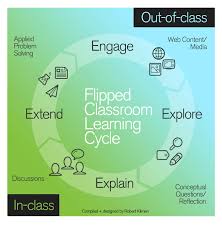




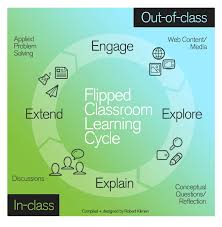


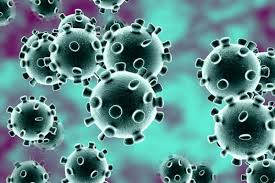




 ALHAJI ISSAH